

The rise of flexible living and what it means for hosts
- Living
- Flexible living
- Managed properties
People are renting for months, not nights, and staying somewhere in between a hotel and a home. That shift changes what a good host offers.

The way people move through cities has changed. Work is less tied to one desk, leases feel heavier than they used to, and a growing number of people would rather rent a fully set-up home for a few months than sign for a year or check into a hotel they will never make their own. That middle ground has a name now. Flexible living.
For hosts, this is not a niche. It is a steadier, quieter kind of demand than the weekend rush, and it rewards a different set of habits.
What flexible living actually means
A flexible living guest wants the ease of a hotel and the feel of a home at the same time. They want to arrive, unpack, and get on with their life. They are not on holiday, so the novelty of a place matters less than whether it works day after day.
- A stay measured in weeks or months rather than nights.
- A home that is furnished, stocked, and ready to live in from day one.
- Reliable essentials, because this is where they wake up for work.
- A single point of contact when something needs fixing.
Why longer stays are good for hosts
A month-long booking is a month without turnovers, without back-to-back cleans, and without the gaps that eat into a nightly calendar. Income becomes easier to predict, wear on the property slows down, and the day-to-day of hosting gets calmer.
The trade is that expectations are higher. A guest staying one night forgives a slow drawer. A guest staying three months will not. The details you could once let slide become the things that decide whether they extend.
Setting up a home that feels lived-in
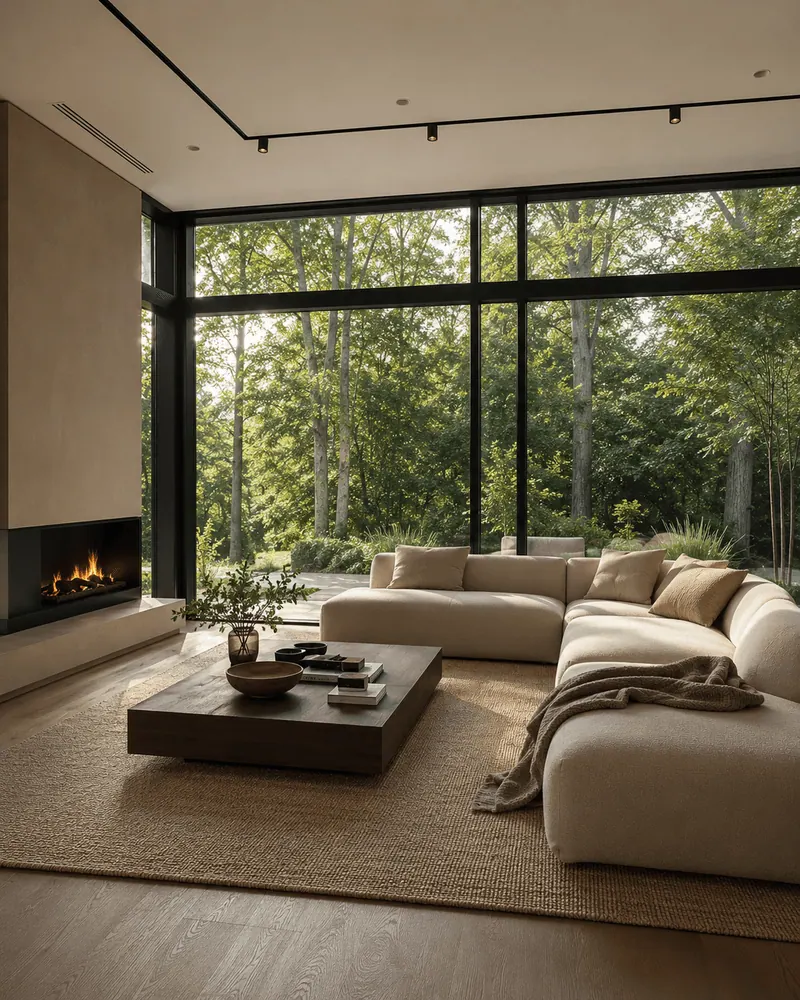
The best flexible living homes feel personal without feeling like they belong to someone else. Clear space in the wardrobe, a kitchen that is actually equipped to cook in, and instructions that answer questions before they are asked. It should feel ready for the guest, not paused mid-move by the last one.
Offer stays that run themselves
Hububb handles the operations behind longer stays so your home stays ready and your guests stay looked after.
See how Hububb helps hostsWhere this is heading
Flexible living is not replacing short stays, it is sitting alongside them and growing. Hosts who treat a three-month guest with the same care as a returning regular are the ones who will fill their calendars without chasing every weekend. The demand is already here, tested on real London properties, and it rewards the hosts who plan for it.
Keep reading
More from the journal

Living
What it means to have everything handled for you
A managed property is one where the work of hosting happens quietly in the background. Here is what that actually covers.
Living
Your first three months in London: where to stay and how to rent
Moving to London without a UK rental history? What landlords ask for, what changed in May 2026, and a plan for your first 90 days.
Living
Setting up a home base that moves with you
Living in a new city every few months only works when arriving somewhere feels like coming home. Here is what makes that possible.